

₹8,854.00
Ambition weld Industries Manufacture High Quality Lithium Battery spot welding Machine for the uses a short cycle, high-current pulse to join nickel strips to Cell terminals. A very short but intense electrical current (usually 2–10 milliseconds) is sent through the electrodes and into the nickel strips. You can choose a spot welder based on your project’s needs Like
1. Portable Type 3 Kw
2. Portable Industrial Type 4 KW
3. Manual TAble Type 6KW
4. Pneumatic Table Type 6 KW
5. Pneumatic Free Size 8 KW
Related products
-
Sale!
 Add to Quote
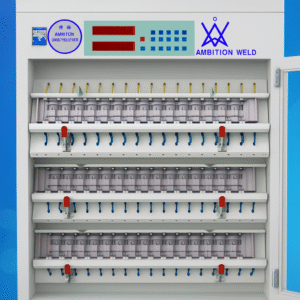
A “128 channel” and 3 AMP cell grinding machine is actually a 128-channel lithium-ion cell grading machine that tests and sorts individual battery cells simultaneously. These machines are used for quality and testing process. This machine is good for Lithiim Ion battery testing process.
-
Sale!
 Add to Quote
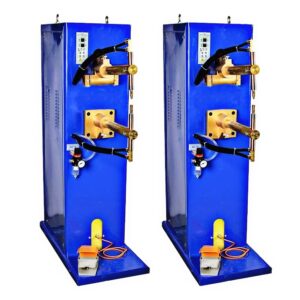
Spot welding basically joins two pieces of metal using the heat from an electric current. The two pieces of metal are pressed together with electrodes on either side. The electrodes are connected via a small spot. The current must be applied for the correct amount of time in order to get a strong join. The exact timing will depend on the types and thickness of metals being joined.
-
Sale!
 Add to Quote
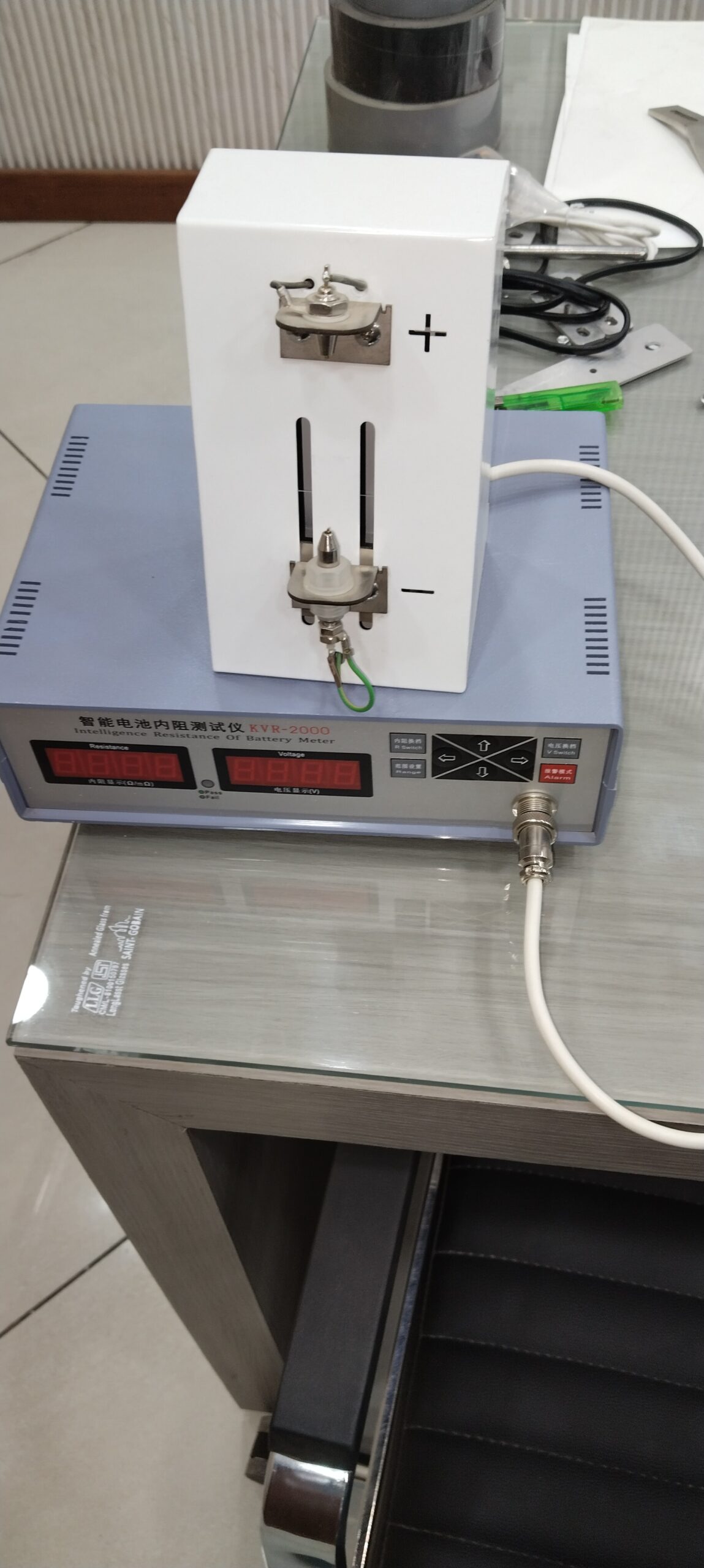
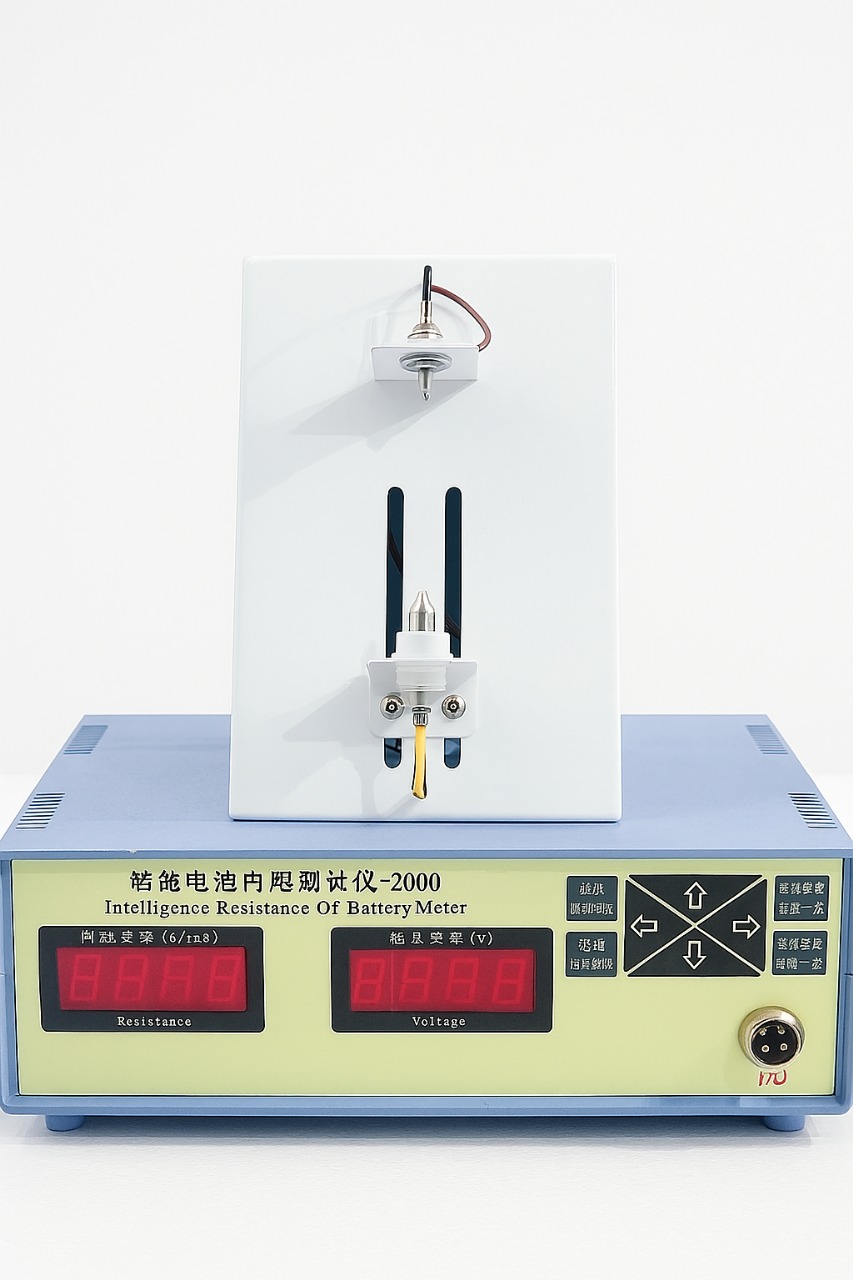
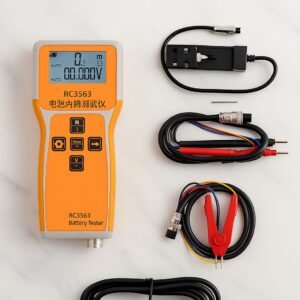
The battery internal resistance tester can measure internal resistance and voltage of the battery at the same time.The Kelvin four-wire test clamp is adapted in order to better avoid the influence of contact resistance and wire resistance, and more accurate measurement can be performed;
It adopts intelligent control, liquid crystal display, and simultaneous insertion of Kalman filter mathematical algorithm, which has the advantages of high precision, high efficiency, low cost, light weight, energy saving and environmental protection.
It is Built-in 1000mAh lithium battery, 5V charging, Android mobile phone charger can be used, which is very convenient.
It is widely used in various battery production, maintenance, testing, scientific research laboratories and other occasions.
It can also be used to measure AC resistance of capacitors and resistors with low resistance and high precision. -
Sale!
 Add to Quote
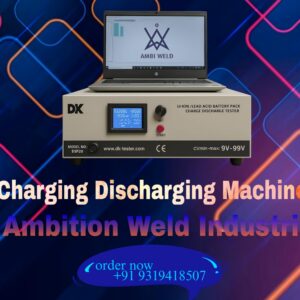
VERSATILE TESTING: Compatible with both Lead-Acid and Lithium battery packs, offering comprehensive charge and discharge testing capabilities in the 9-99V DC range
POWER CAPACITY: Features robust 20A current handling capability, suitable for testing various battery pack configurations and capacities
DIGITAL DISPLAY: Equipped with an LCD screen for real-time monitoring of test parameters and battery performance metrics
CONTROL INTERFACE: User-friendly design with straightforward SET and START controls for easy operation and parameter adjustment
COOLING SYSTEM: Built-in ventilation system with efficient heat dissipation ensures stable performance during extended testing sessions -
Sale!
 Add to Quote
Spot welding basically joins two pieces of metal using the heat from an electric current. The two pieces of metal are pressed together with electrodes on either side. The electrodes are connected via a small spot. The current must be applied for the correct amount of time in order to get a strong join. The exact timing will depend on the types and thickness of metals being joined.